
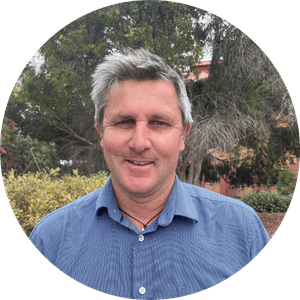
A/Prof Luke Mosley
Luke Mosley is an Academic Lead in the School of Agriculture, Food and Wine at the University of Adelaide and the Primary Investigator for the Climate Smart Program. His research and teaching focus on soil and water science, with a strong emphasis on understanding soil processes and developing practical solutions to support sustainable, climate-resilient agriculture. He has published extensively in leading international journals and contributes to a range of technical reports and practitioner-focused resources in soil and water management. Luke is actively involved in the wider scientific community and contributes to advancing research and practice in soil science to support sustainable agricultural systems.
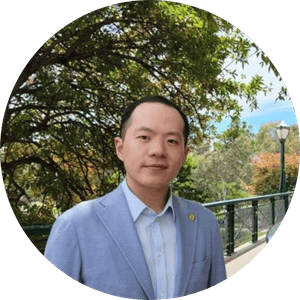
Dr Han Weng
Han is an academic in Soil Science within the School of Agriculture, Food & Wine. His teaching and research focus on soil processes, with a strong emphasis on managing, conserving, and regenerating soils for sustainable agriculture under a changing climate. He has previously led research across NSW DPI, La Trobe University, and The University of Queensland. His work on soil organic carbon has significant global relevance and has informed international climate policy through citations in reports by the UN Environment Programme, FAO, the Royal Society, and the IPCC, supporting agricultural policy development across 195 countries.
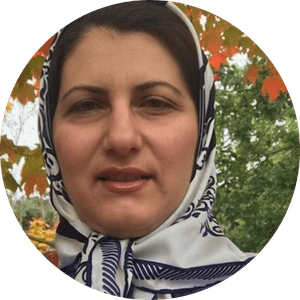
Dr Shervin Kabiri
Shervin is a researcher at the University of Adelaide specialising in the environmental behaviour of per- and polyfluoroalkyl substances (PFAS). His work focuses on understanding the fate, transport, and leaching of PFAS across soil, water, and biosolids. Shervin’s research aims to improve knowledge of how these persistent chemicals move through the environment and to inform strategies that reduce their impact on human health and ecosystems.
Dr Chris Saunders
Chris is a Senior Research Fellow within the School of Agriculture, Food & Wine and a member of the Agricultural Machinery Research Group. His research focuses on engineering solutions for sustainable agriculture, with an emphasis on improving the performance, efficiency, and environmental outcomes of farming systems.

Dr Joseph Marks
Joe is a Research Officer on the Climate Smart Project, supporting research focused on developing sustainable and climate-resilient agricultural systems. He works closely with the project team to assist with field and laboratory activities, data collection, and analysis across soil and water science trials. Joseph contributes to the coordination and delivery of research activities, helping ensure high-quality data and effective project outcomes. His role supports the integration of scientific findings into practical, on-ground applications that advance climate-smart farming practices and improve soil health and productivity. Further to this, I am interested in exploring litter decomposition rates in the under-vine area, understanding rates of nutrient cycling in different litters and systems.
Dr Erinne Stirling
Erinne is a soil molecular ecologist and biogeochemist that is currently focusing on improving soil chemical constraints using Innovative Soil Technologies in cropping systems. They have previously worked with Zhejiang University and CSIRO, conducting research on microbial circadian rhythms in inundated cropping systems and investigating microbial soil health indicators using metagenomic functional profiles in dryland mix farming systems. Erinne is a Web Ecology editor, a Certified Professional Soil Scientist, and the Soil Science Australia South Australia branch president.

Jessica Spencer
Jess is a project and finance professional supporting agricultural research and extension initiatives. She works closely with project partners, grower groups, and stakeholders to coordinate activities, track progress, and ensure clear communication across the project. Jess also manages the financial and administrative functions of the project, including budgeting, reporting, and coordination of project documentation and deliverables. She oversees key communications such as website content, newsletters, and social media, translating technical information into accessible insights for growers, industry, and government audiences.
Suhair Hamad
Suhair holds a Master of science and brings extensive experience in Laboratory and field -based work across agriculture and environmental application.
Currently working in the synthesis of micronized products designed to improve crop yield and soil properties. This work focuses on optimising particle size to enhance the solubility and delivery of soil amendments.
Also, collaborating with a multidisciplinary team to engineer advanced soil amendments specifically designed for specific soil, including dispersive, acidic and hard setting soils. This work involves conducting plant and soil experimental studies to evaluate material performance and long-term effectiveness under a diverse range of environmental conditions.